Concrete Sawing vs. Concrete Removal: Understanding the Difference
People searching for concrete sawing and concrete removal are typically trying to cut or remove existing concrete, and local service providers can help ensure the job is done safely and efficiently.
Understanding the differences between concrete sawing and concrete removal is essential for property owners planning renovation, repair, or construction projects. While these terms are often used interchangeably, they refer to distinct processes that serve different purposes. Concrete sawing involves cutting into existing concrete surfaces with specialized equipment, making precise penetrations or openings without removing large sections. In contrast, concrete removal entails the complete or partial demolition of concrete structures, often requiring more extensive work and equipment. Knowing which method aligns with specific project needs can help property owners make informed decisions and ensure the job is done efficiently.
For those in the local area exploring options for concrete work, understanding these differences can clarify which service best suits their goals. Whether it’s creating access points, installing utilities, or removing damaged sections, local contractors who specialize in concrete sawing and removal can provide tailored solutions. These professionals bring the expertise needed to evaluate each project’s unique requirements, helping property owners choose the right approach. Keep reading to learn more about how concrete sawing and removal services can support a variety of property improvement needs.
- Concrete sawing services are needed when precise cuts are required in existing concrete structures, with local contractors using specialized equipment to ensure accuracy. Concrete removal is suitable for demolishing or clearing large sections of concrete, with service providers handling the process safely and efficiently. Understanding the difference helps individuals determine whether they need to cut through concrete or completely remove it, depending on the project scope. Local pros can assess the job and recommend the appropriate service, whether sawing or removal, based on the specific requirements. Clear communication with service providers ensures the right method is chosen for effective and efficient results.
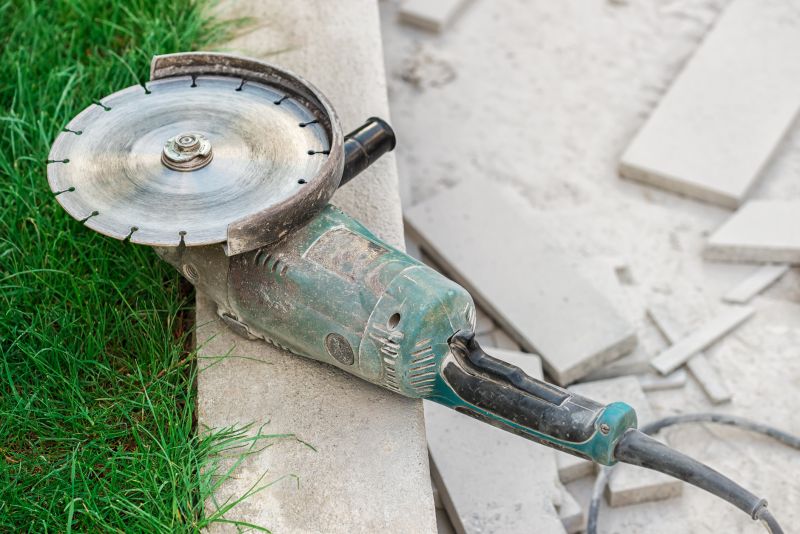
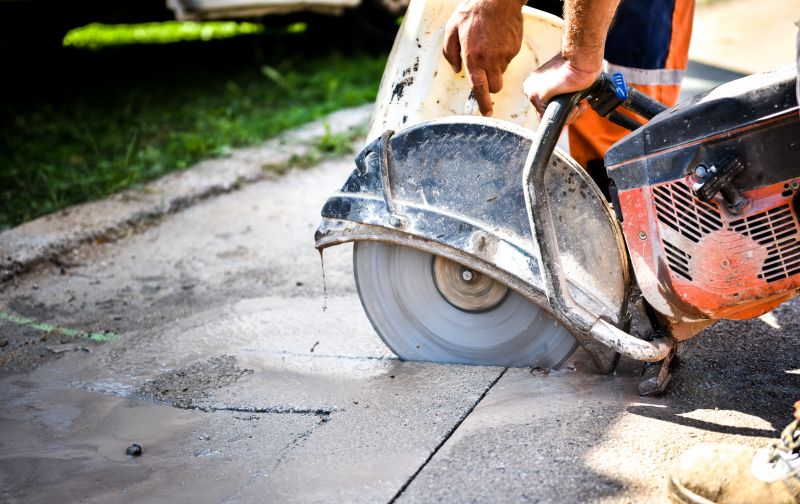

When people search for concrete sawing vs. concrete removal: understanding the difference, they are often trying to determine the most suitable approach for their upcoming construction, renovation, or demolition project. Homeowners and property managers typically seek this information when planning to create new openings, remove outdated concrete slabs, or make modifications to existing structures. The goal is to understand which method best fits their specific needs, whether it's cutting through concrete to install utilities or removing large sections of concrete to prepare for new construction. Clarifying the differences helps ensure that the right equipment and techniques are used, leading to more efficient and effective project outcomes.
Concrete sawing and concrete removal are related but serve distinct purposes in property improvement projects. Concrete sawing involves cutting through concrete surfaces with specialized blades, often to create clean, precise openings or to segment large slabs into manageable sections. It is a less invasive process that typically preserves surrounding structures. Conversely, concrete removal is a broader process that involves breaking up and extracting entire sections of concrete, often requiring heavy-duty equipment like jackhammers or demolition saws. This method is used when large areas need to be cleared or when concrete needs to be entirely replaced. Understanding these differences helps property owners choose the right approach based on the scope and nature of their project.
The types of properties where these services are most commonly needed vary widely, from residential homes to commercial buildings and public infrastructure. Homeowners might require concrete sawing to cut through driveways or basement floors for utility access or renovations. Commercial property managers may need concrete removal for large-scale upgrades or parking lot repaving. Public works projects often involve both techniques for infrastructure repairs or expansion. Regardless of the property type, local service providers specializing in concrete sawing and removal can assess the specific requirements and recommend the most appropriate methods. Their expertise ensures that each project is handled efficiently, minimizing disruption and ensuring the structural integrity of the property.
Understanding the difference between concrete sawing and concrete removal is essential for anyone planning a project that involves concrete work. These services are integral to a wide range of property modifications, from creating openings for doors and windows to removing entire slabs for new construction. Local contractors who specialize in these techniques are equipped to handle various property types and project sizes, providing solutions tailored to each situation. By choosing the right service for the job, property owners can ensure their project proceeds smoothly, with the appropriate tools and methods used for the task at hand. Connecting with experienced service providers can help clarify which approach is best suited for specific needs, leading to more successful and efficient results.
Concrete cutting projects involve precise sawing techniques similar to those used in concrete sawing services, requiring specialized tools and planning for efficient results.
Asphalt removal shares equipment and planning considerations with concrete removal, often requiring similar demolition and site preparation skills.
Brick and masonry cutting utilizes comparable tools and methods to concrete sawing, especially when precise cuts are needed for renovation or demolition projects.
Structural demolition involves planning and execution skills akin to concrete removal, with an emphasis on safe and controlled removal of concrete structures.
Flooring removal projects often require similar techniques and equipment as concrete removal, especially when dealing with concrete slabs or foundations.
Core drilling services relate closely to concrete sawing, as both require specialized equipment to create precise openings in concrete surfaces.
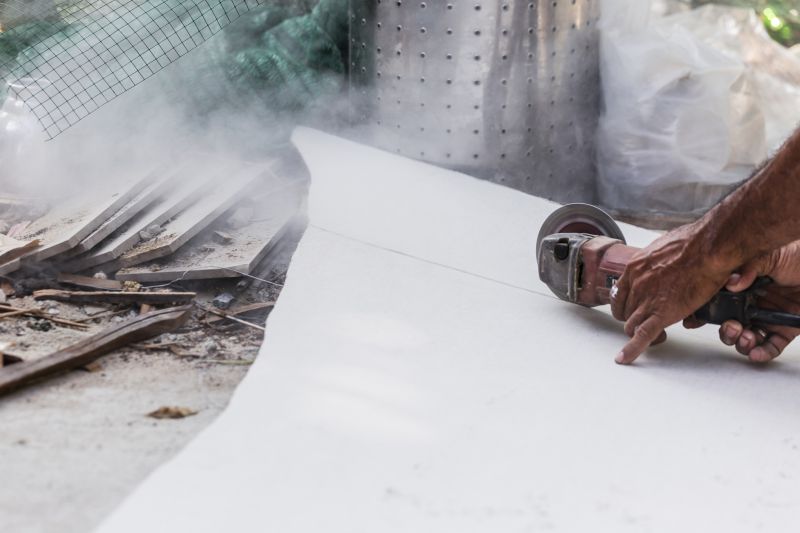
When comparing local contractors for concrete sawing versus concrete removal, it is essential to consider their experience with similar projects. Contractors who have handled work comparable to your specific needs are likely to understand the nuances and challenges involved, which can lead to more efficient and effective results. Asking for examples of past projects or references can provide insight into their familiarity with the techniques required for each service, whether it involves precise cutting or more extensive removal. This focus on relevant experience helps ensure that the chosen service provider has the practical know-how to address your project’s unique requirements.
Clear, written expectations are a vital aspect of selecting the right local pros for concrete sawing or removal. Well-defined project scope, materials, and methods should be communicated upfront to prevent misunderstandings. When evaluating service providers, it is helpful to review detailed proposals or estimates that outline what services will be performed, the expected outcomes, and any potential limitations. Transparent communication about what to expect ensures that both parties are aligned, reducing the risk of surprises and making it easier to compare different contractors based on their professionalism and clarity.
Reputable references and good communication are key indicators of a reliable service provider. Local contractors with positive feedback from previous clients demonstrate a track record of successful projects and satisfied customers. Additionally, contractors who are responsive and willing to answer questions clearly can make the process smoother and more transparent. When considering options, it is advisable to inquire about references and to observe how promptly and thoroughly they communicate. These qualities can help identify service providers who are dependable and capable of delivering quality results, whether they are performing concrete sawing or concrete removal services.
Property owners often search for concrete sawing vs. concrete removal: understanding the difference when they are planning practical projects around their homes and businesses. Local pros provide Concrete Sawing and Concrete Removal services for everyday jobs and straightforward project options.
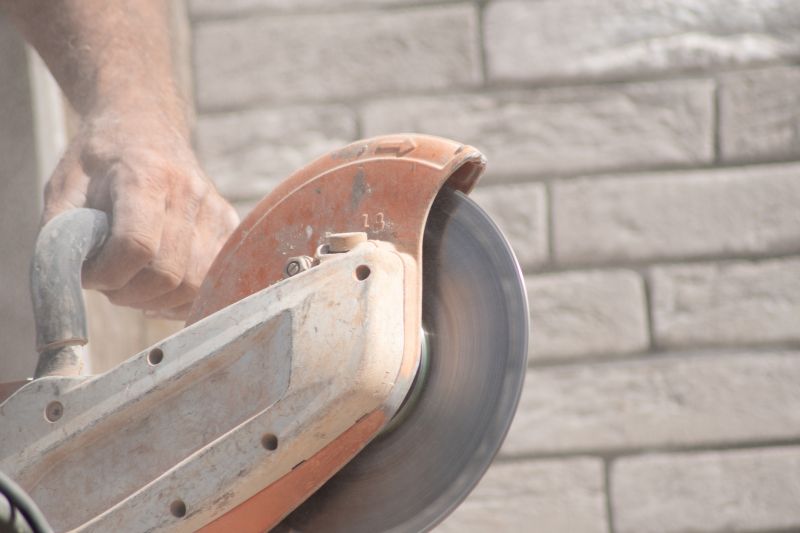

When planning a renovation or construction project, property owners often encounter the need to modify existing concrete surfaces. Understanding the difference between concrete sawing and concrete removal can help determine the most suitable approach for tasks such as creating openings, enlarging existing spaces, or removing damaged sections. Local contractors who specialize in these services can assess the specific requirements of each project, ensuring that the right method is used to minimize disruption and maintain structural integrity.
Many property owners in the area seek out concrete sawing and concrete removal services to handle various projects efficiently and safely. Whether it’s cutting through thick slabs for utility access or removing sections of old concrete to prepare for new installations, local service providers offer the expertise needed to complete these tasks properly. Connecting with experienced contractors can help ensure the work is done accurately, saving time and reducing potential issues down the line.
What is the main difference between concrete sawing and concrete removal? Concrete sawing involves cutting through existing concrete using specialized blades, while concrete removal includes breaking and extracting entire sections of concrete. Local contractors can help determine which method is suitable based on the project needs.
When should concrete sawing be used instead of removal? Concrete sawing is typically used when precise cuts are needed for openings or repairs without removing large sections. Local service providers can advise on whether sawing or removal is appropriate for specific tasks.
What types of projects are best suited for concrete removal? Concrete removal is ideal for demolitions, large-scale renovations, or when entire sections of concrete need to be replaced. Local pros can handle these jobs efficiently and safely.
Can concrete sawing be combined with removal services? Yes, concrete sawing is often part of a larger removal process, enabling precise cuts before the removal of concrete sections. Local contractors can coordinate these services for complex projects.
How do local pros determine whether to perform sawing or removal for a project? They assess factors like the scope of work, the location of the concrete, and the project’s purpose to recommend the most effective method for achieving the desired results.
Identify the right method for your project - understanding whether concrete sawing or removal is needed helps property owners choose the most effective approach for their specific renovation or repair tasks.
Plan for precise cuts in renovation projects - local contractors can assist with accurate concrete sawing to create clean openings or access points without damaging surrounding structures.
Ensure complete removal of unwanted concrete - for demolition or site clearing, concrete removal services from local pros provide efficient removal of large or stubborn concrete sections.
Assess structural considerations before starting work - understanding the difference helps property owners coordinate with service providers to ensure safe and appropriate handling of concrete during upgrades or repairs.
If you are thinking about concrete sawing vs. concrete removal: understanding the difference for a property, this guide is meant to help you understand this topic, the typical project types, and how different options might fit your plans.
When you are ready, you can use the quote form on this page to share a few details about your project. From there, local pros can review the basics and follow up with options that match what you have in mind.